






 0 comments
For young people, gaming has changed from being merely recreational into an economic pathway into the digital economy, especially in a challenging labour market. In Africa, women are driving this growth.
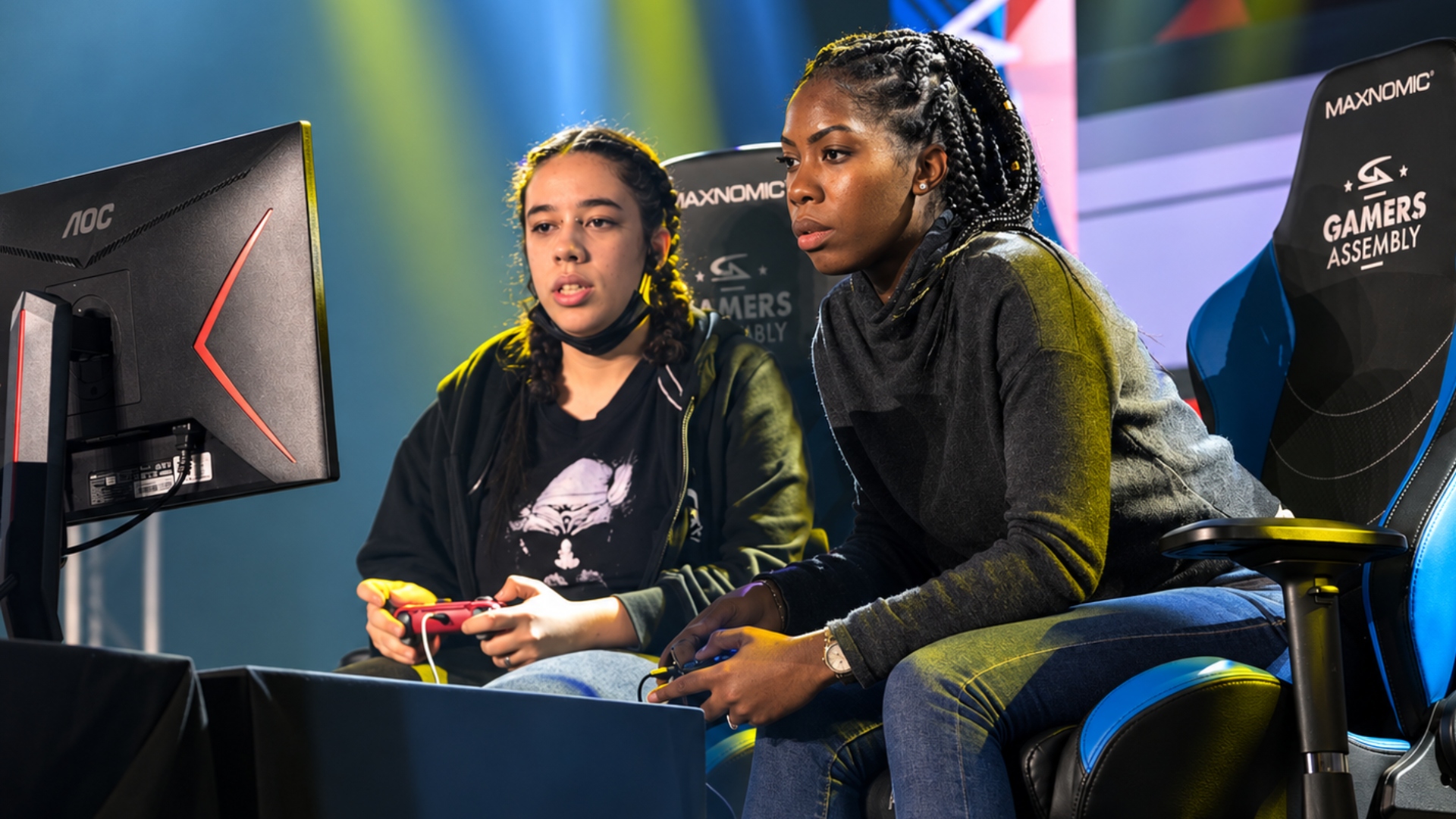
Young women are pioneering the evolution of African gaming, taking up roles not only as competitive players but as commentators and content producers within a rapidly growing market. In 2024, African gaming had an estimated 349 million players and generated approximately $1.8 billion in revenues.
Mobile first is one of the most significant trends driving this growth, as it enables young people to participate in competitive matches and gaming communities even if they lack consoles or gaming PCs. In addition, it lowers the entry barrier to women who have traditionally been considered spectators rather than players in the African gaming scene.
In Kenya, Sylvia Gathoni, known as QueenArrow, is making a name for herself as a professional Tekken player, while Egypt’s Hadeel ‘Velvet’ Abouelftouh and Asmaa ‘Names’ Thabet have participated in MENA level tournaments. In Nigeria, the all-women Pixies team participates in mobile games such as Free Fire, PUBG Mobile, and Call of Duty Mobile.
These players matter not because each is representing her country, but because collectively their participation raises the challenge for the industry to overlook women’s engagement. But the larger point is not about competitive gaming, gaming now sustains an industry of livestreaming, gaming content creation, coaching, casting, community management, game development and design, game marketing, event organisation, and other roles within the gaming industry.
There is no need for young women to become esports champions in order to participate in and benefit from the gaming industry.
Instead, they can earn through sponsorships, audience subscriptions, brand partnerships, freelancing and working as staff members in game studios or tournament organisers. Given the young, highly-connected population in Africa, gaming contributes to the growing creator economy. Communities are key in transforming interest into a collective pathway to success. The Females in Gaming Network operating in several African countries provides opportunities for women to network with industry players.
In Ghana, the Esports Association Ghana has held initiatives that encourage women to participate in competitive gaming. For Nigeria’s Pixies players, community plays a crucial role. They have mentioned friendship, university circles, and even social media followers as sources of motivation, inspiration, and support. However, these communities do more than recruit players. They provide them with mentorship and a sense of belonging that is often missing in male-dominated spaces. Visibility is also helping challenge the old assumption about the unproductive nature of gaming.
The opportunity is very unevenly distributed. While gaming in Africa relies heavily on mobile devices, one still needs to have a proper device, data, energy, and stable connection. This is why participation is concentrated in such cities as Nairobi, Lagos, Accra, and Johannesburg. These are the places that have gaming cafes, tournaments, sponsors, and communities related to gaming. A talented girl from a village or low-income area is unlikely to participate in the gaming scene because of lack of opportunities to prove her skills.
Kenya provides an example of such inequality. According to a joint government survey, mobile-phone ownership was 64.6% in urban areas as opposed to 48.6% in rural areas. There also was significant variance in internet usage across counties. Such differences are crucial for gaming because unstable connection can disrupt a competitive game, and professional streaming demands additional data, equipment, and energy.
While mobile devices increase access, they also perpetuate inequality. There are also challenges in terms of safety of gaming once women gain access to it. Despite growing visibility, female gamers still report harassment, sexualisation, and the belief that women are not as good as men in gaming.
Some Nigerian female gamers have said that they were viewed as liabilities, and other African women in esports have talked about feeling like they need to continually prove that they belong to the community. Visibility can bring opportunity, but it can also make players and creators vulnerable. Therefore, safe platforms, clear tournament policies, and accountable organisers are economic necessities.